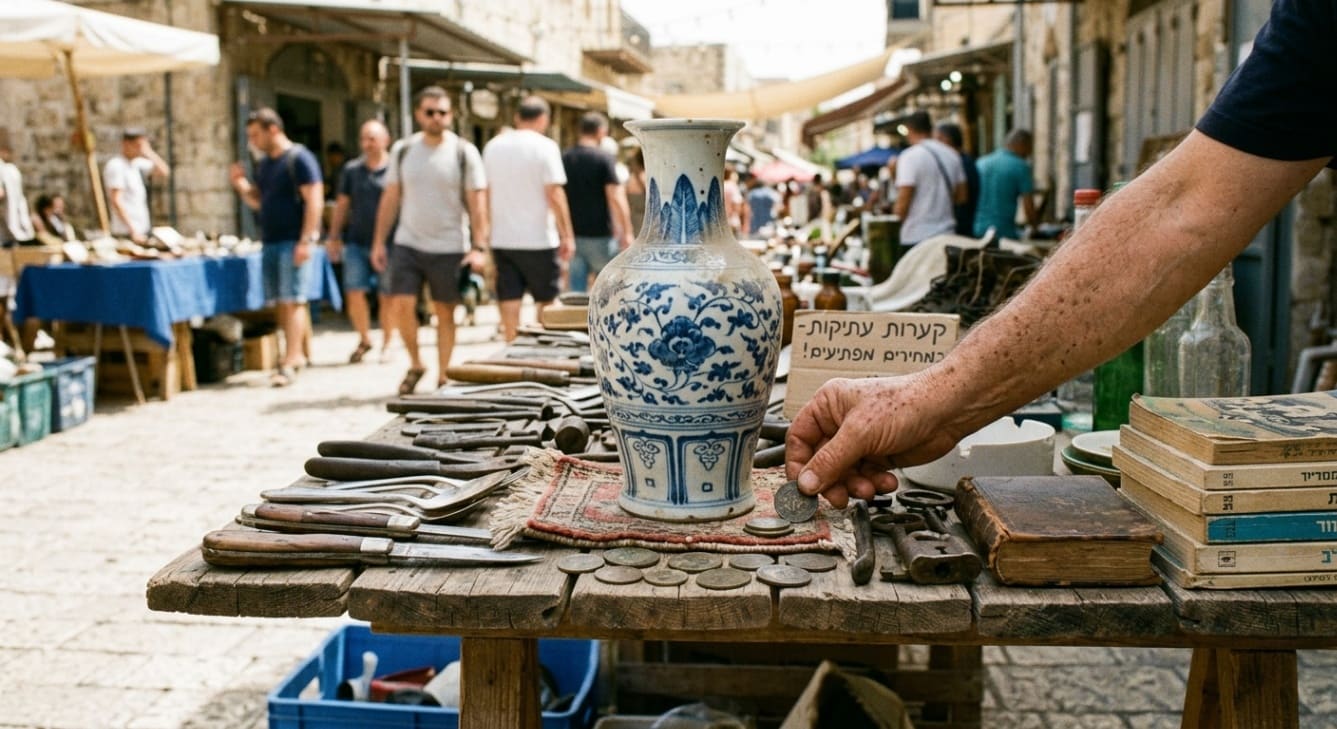
In 2007, a family from New York State was browsing a local yard sale for fun when they came across a small white ceramic bowl with delicate blue decoration, only about 12 centimeters across. It was displayed on a table alongside ordinary household odds and ends. The family thought the bowl was cute and would look nice in the living room, paid just $3 for it and went home.
From the Family Living Room to Sotheby's
The bowl stood in the family's home for several years as an entirely innocent decorative piece. But as time went on, the owners grew curious about where it came from. They decided to consult experts in Asian art and brought it to be examined at the renowned auction house Sotheby's.
The experts' response left them in complete shock: what had been kept as a cheap ornament turned out to be an extremely rare Ming dynasty "Doucai" bowl, made during the reign of the Zhengtong Emperor (who ruled in the 15th century). Only five bowls of this type are known to exist in the world, four of them kept in major museums in London and Taiwan.
The Moment the "Hunt" Turns into Millions
In 2013 the bowl was put up for auction in New York. The auction house's pre-sale estimate was $200,000 to $300,000, but once the bidding opened, a fierce bidding war broke out between collectors from around the world.
In the end, the bowl bought for just $3 sold for a staggering $2,225,000, including the auction house's fees. The case has gone down in history as one of the most astonishing and profitable second-hand discoveries ever recorded, and to this day it serves as inspiration for bargain hunters everywhere.